Gingerbread House with a Pattern
A Designer’s First Look: Whimsy That Stitches Well
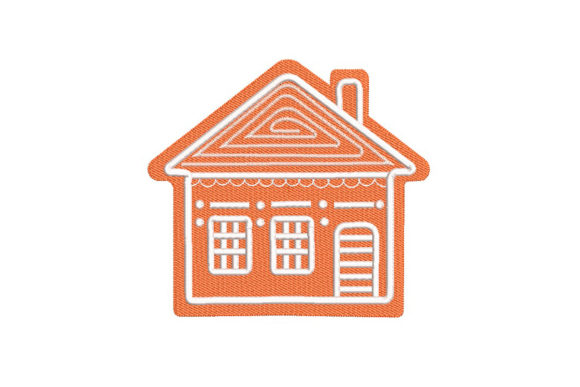
When I opened Gingerbread House with a Pattern, I didn’t just see a holiday motif—I saw a potential signature piece for small-batch makers. It’s got that warm, nostalgic charm of classic Christmas embroidery, but with clean lines and balanced negative space. The roof peaks are distinct, the candy-cane chimney is subtle but readable, and the door has just enough detail to suggest texture without demanding micro-stitching. It doesn’t scream “busy.” Instead, it breathes—leaving room for fabric, thread choice, and context to shine. That’s rare in machine embroidery designs meant for real-world use.
How It Performs on Real Products (Not Just Screens)
Last week, I stitched Gingerbread House with a Pattern onto three very different items: a medium-weight organic cotton tote bag, a 100% cotton baby onesie, and a linen-blend kitchen towel. Here’s what stood out:
- Tote bags: It held up beautifully at 4.2" wide—clear, friendly, and instantly legible from across a craft fair table. Customers paused, smiled, and asked about personalization options. The design’s moderate stitch density kept the fabric soft and drape-friendly.
- Baby onesies: Sized down to 3", it retained its character—no lost details, no thread piling. The satin-stitched roof edge stayed crisp, and the fill stitches settled smoothly into the knit without puckering (thanks to light tear-away stabilizer).
- Kitchen towels: On textured linen, the running-stitch outline helped the shape pop against the weave. It didn’t vanish into the background or look overly stiff—ideal for holiday-themed boutique merchandise.
Where to Use It Thoughtfully (and Where to Pause)
Gingerbread House with a Pattern isn’t one-size-fits-all—and that’s a strength, not a limitation. Here’s where it shines, and where you’ll want to test first:
- Great for: Sweatshirt embroidery (especially on midweight fleece), embroidered patches (it scales cleanly to 2.5–3.5"), aprons, pillow covers, and personalized gifts like holiday tea towels or nursery decor.
- Use carefully on: Stretchy fabrics (like jersey caps)—the shape relies on stable edges, so double-layer stabilizer is non-negotiable. Also avoid placing it near seams or curved areas (like cap crowns) unless you’ve confirmed hoop clearance and fabric give.
- Watch contrast on dark fabric: The design uses open shapes rather than dense fills, so white or cream thread on navy or charcoal needs a sharp stabilizer base—or consider a subtle shadow fill stitch behind key outlines.
What It Adds to Your Handmade Product (Beyond the Obvious)
This isn’t just festive decoration—it’s quiet brand reinforcement. When customers see Gingerbread House with a Pattern on your Etsy sweatshirt listing or local boutique apron, they register intention: care in detail, consistency in style, and seasonal warmth without cliché. It reads as handmade—not mass-produced—because the proportions feel hand-drawn, not algorithmically generated. That builds trust, especially for personalized gifts or custom apparel orders. I’ve had repeat clients ask specifically for “that gingerbread house style” when ordering holiday baby embroidery or small shop merchandise. It becomes part of your visual language.
Practical Designer Notes Before You Stitch
Before sending Gingerbread House with a Pattern to your machine—or listing it in your digital embroidery file shop—run through these checks:
- Test on scrap fabric first, especially if using textured, stretchy, or dark materials. See how the satin stitch behaves on your chosen thread weight.
- Review stitch density visually. Not all fill areas are equal—some may need slight underlay adjustment for stability on knits.
- Confirm hoop size compatibility. Does it fit comfortably in your most-used hoop? If you sell embroidered patches, know whether it scales cleanly down to 2.5".
- Inspect small corners and curves. The candy-cane chimney base and window frame corners should be tight—not frayed or over-traced—in your test run.
- Try black-and-white mockups. Does the shape hold up in monochrome? That tells you whether it’ll translate well to printable mockups or minimalist branding.
- Check thread color contrast on both light and dark backgrounds. A single palette won’t serve every customer need—plan for flexibility.
- Use appropriate stabilizer. Light cutaway for knits, tear-away for stable wovens, and fusible + tear-away for delicate linens.
- Verify licensing terms before selling finished products or digital files. Since the description says “Make your things unique,” confirm whether commercial use is included—or if attribution or limits apply.
Why This Fits Seamlessly Into Your Craft Business
As someone who’s curated embroidery assets for Etsy sellers and boutique brands for over a decade, I keep returning to designs like Gingerbread House with a Pattern because they’re versatile *assets*, not one-off decorations. It works equally well as a standalone motif on a holiday tote bag design, as part of a coordinated set (think: gingerbread man + tree + house), or as a subtle accent on a baby blanket corner. Its clean silhouette makes it easy to pair with typography or other seasonal elements—no visual competition. For digital product sellers, it’s a strong candidate for themed bundles (“Cozy Christmas Embroidery Collection”) or as a premium add-on for custom apparel shops. And for craft fair vendors? It’s a conversation starter that converts—people don’t just buy a pattern; they buy the feeling of making something warmly, authentically theirs.
The Bottom Line for Makers Who Value Real-World Results
Gingerbread House with a Pattern earns its place in active rotation—not because it’s flashy, but because it’s dependable, expressive, and quietly professional. It stitches cleanly, reads clearly at multiple sizes, and carries holiday spirit without leaning on tired tropes. Whether you’re embroidering a personalized gift, building a cohesive line of holiday embroidery project kits, or expanding your digital embroidery file catalog, this design supports your goals instead of competing with them. Just remember: great embroidery starts with thoughtful testing, smart stabilizing, and knowing exactly how your customers will hold, wear, or gift the finished product. With Gingerbread House with a Pattern, you’re not just adding a motif—you’re adding reliability.